In summary:
- Your priority is not comfort, but preventing a cascade of home system failures, starting with your plumbing.
- Immediately locate and protect vulnerable pipes using safe, approved heating methods; never use an open flame.
- Manage indoor humidity to prevent window ice and moisture damage by adjusting or using your Heat Recovery Ventilator (HRV).
- Take defensive measures to protect your roof from ice dams and your foundation from crawl space freezing.
- Implement long-term security with low-temperature alarms and professional air sealing to fortify your home’s building envelope.
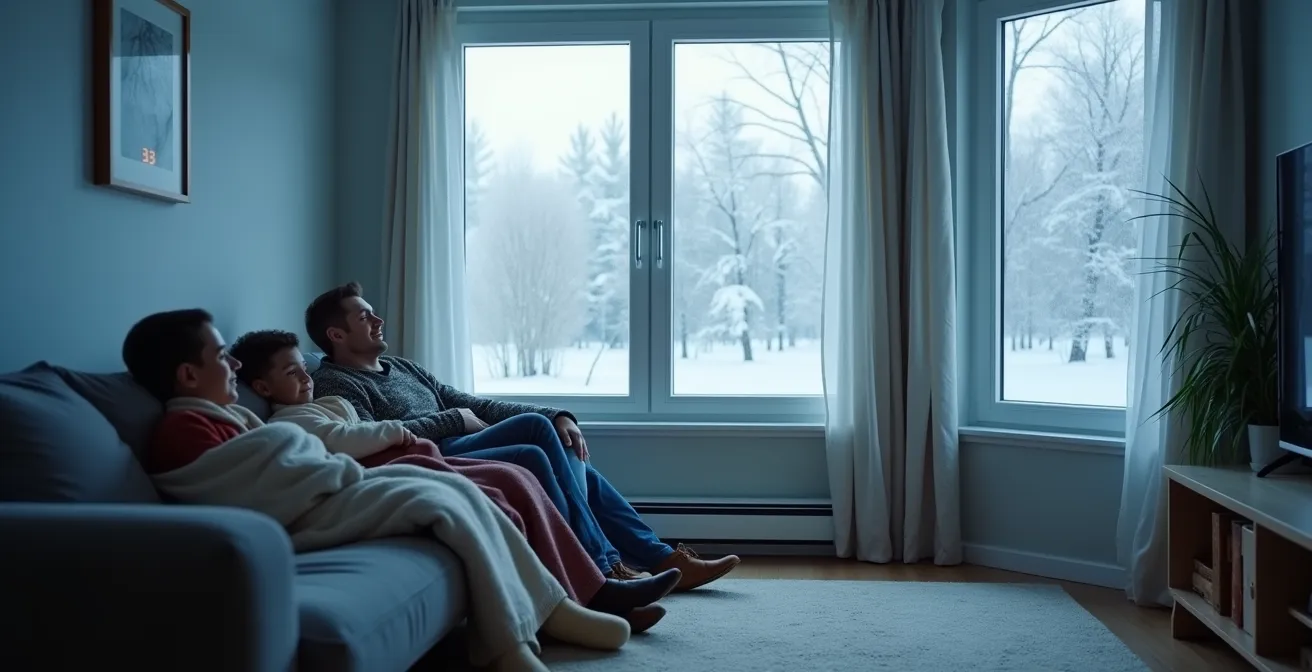
The silence is the first warning. At -30°C, the sudden stop of your furnace’s hum is more than an inconvenience; it is the start of a civil emergency inside your own home. Your immediate thought might be to find blankets or call a 24/7 technician, and while these are valid actions, they are dangerously incomplete. Most advice focuses on personal comfort, overlooking the real, time-sensitive threat: a cascade of catastrophic failures that can cripple your home’s most vital systems.
When the heat dies in a Canadian deep freeze, you are in a race against the clock. The primary enemy is not just the cold seeping in, but the destructive power of ice forming within your pipes, the moisture building on your windows, and the weight of snow accumulating on your roof. Your mission is to conduct a form of thermal triage—a prioritized protocol to defend your home’s system integrity. This isn’t about staying cozy; it is about preventing thousands of dollars in damage and ensuring your home remains a safe shelter.
This guide moves beyond the obvious. It is a strategic protocol designed for Canadian families facing a worst-case scenario. We will systematically address the most critical threats in the order they appear, from immediate pipe protection and humidity control to securing your roof, foundation, and the overall building envelope. This is your action plan to maintain control until professional help arrives.
This article provides a detailed, prioritized action plan for when your furnace fails in extreme cold. The following sections outline the immediate steps to take, from preventing pipe bursts to managing your home’s overall environment, ensuring you can protect your property and family effectively.
Summary: Your Home Survival Protocol for Extreme Cold Furnace Failure
- How to Thaw Frozen Pipes Without Burning Down Your House?
- Why Windows Ice Up in January and How to Stop It?
- Is It Cheaper to Keep Heat Constant or Lower It at Night in Deep Freeze?
- The Roof Raking Mistake That Damages Shingles and Gutters
- When to Close Foundation Vents: The Seasonal Checklist?
- When to Service Heat Recovery Ventilators to Prevent Core Freezing?
- Low-Temp Alarms: Essential Security for Snowbirds Leaving in Winter
- How to Eliminate the Drafts That Make Your Living Room Unusable?
How to Thaw Frozen Pipes Without Burning Down Your House?
The first and most immediate threat in a furnace failure is not to you, but to your plumbing. A burst pipe can release hundreds of litres of water per hour, causing catastrophic damage that far exceeds the cost of a furnace repair. Your first action is a defensive one: identify and protect vulnerable pipes. These are typically located in uninsulated areas like crawl spaces, basements, or near exterior walls. The impulse to apply heat quickly can lead to disaster; desperation makes people reach for blowtorches, a decision that can have fatal consequences, as evidenced by a Montreal fire caused by blowtorch pipe thawing. Never use an open flame.
Instead, follow a strict, safe thawing hierarchy. First, open a tap in the basement, like a laundry sink faucet, to relieve pressure in the system. Then, apply gentle, consistent heat. The safest methods are an electric heating pad or a hair dryer. Wrap the pipe in warm towels as a secondary measure. If you must use a portable space heater, position it a safe distance from any flammable materials and never, ever leave it unattended. Begin thawing the pipe at the end closest to the faucet and work your way back toward the frozen blockage. This process is a test of patience; it can take hours.
Understanding this protocol is not just about safety; it is about financial liability. Many Canadian home insurance policies, particularly in areas like the Greater Toronto Area, cover water damage from frozen pipes only if the homeowner has taken “reasonable steps” to maintain heat and prevent freezing. Failing to act, or acting recklessly, could void your claim. Your primary goal is to protect the system’s integrity until the furnace is restored.
Why Windows Ice Up in January and How to Stop It?
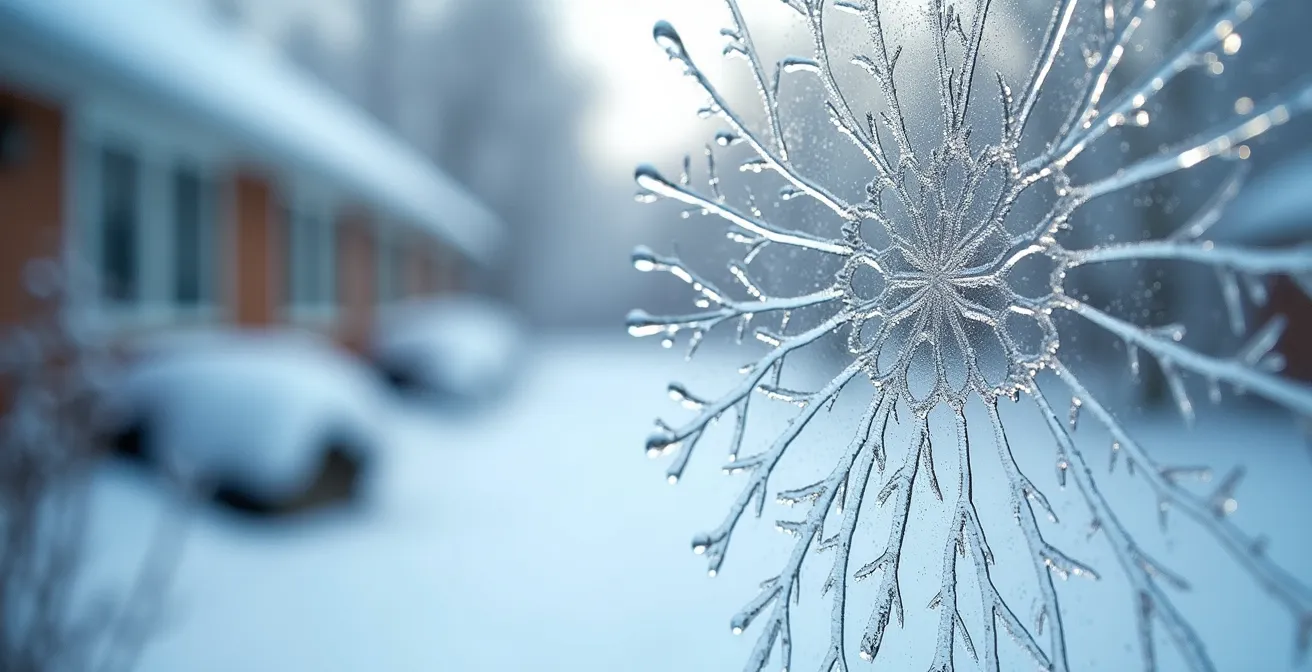
While you focus on pipes, a second, more insidious problem is developing: condensation and ice on your windows. When your home’s interior temperature drops, the air can no longer hold as much moisture. This water vapour condenses on the coldest surfaces—your windows—and at -30°C, it freezes almost instantly. This isn’t just a cosmetic issue. The ice can damage window seals, warp wooden frames, and lead to mould growth inside your walls. This process is a direct assault on your building envelope.
The key to stopping this is not heating the windows, but controlling indoor humidity. This is the primary function of a Heat Recovery Ventilator (HRV). An HRV expels stale, humid air while bringing in fresh, dry winter air, recovering heat in the process. Without a working furnace, your HRV is your best tool for humidity management. You must ensure it is set correctly for the extreme outdoor temperature. As the temperature plummets, your home’s maximum allowable humidity level drops dramatically.
As a critical reference for Canadian winters, managing your HRV settings based on the outdoor temperature is essential to prevent condensation and ice buildup. This table provides clear guidelines:
| Outdoor Temperature | Maximum Indoor Humidity | HRV Setting |
|---|---|---|
| 0°C to -15°C | 45% | 20/40 mode (20 min on, 40 min off) |
| -15°C to -25°C | 35% | Continuous operation |
| Below -25°C | 15-20% | Continuous with defrost cycle |
Is It Cheaper to Keep Heat Constant or Lower It at Night in Deep Freeze?
The debate over temperature setbacks is common, but during a deep freeze—even with a working furnace—the answer is nuanced and specific to your home’s systems. The conventional wisdom of a 2-4°C setback at night to save money can be counterproductive in certain Canadian homes. For houses with modern cold-climate heat pumps, a deep setback can trigger expensive and inefficient auxiliary electric heat to recover the temperature, erasing any potential savings. For these systems, maintaining a constant temperature is often more economical.
However, for the majority of Canadian homes equipped with high-efficiency gas furnaces, a modest setback remains an effective cost-saving strategy. The efficiency of your home’s building envelope is the deciding factor. A modern, well-insulated home (built to R-2000 or Net Zero standards) has high thermal inertia; it loses heat very slowly, so the furnace works less to recover from a setback. Conversely, an older, drafty house loses heat so rapidly that the furnace must run for an extended period to catch up, negating the savings. Furthermore, your ventilation system plays a role. According to Natural Resources Canada, HRVs recover 70-80% of the heat from outgoing air, making your heating system more efficient overall and better able to handle setbacks.
In an emergency furnace-out situation, this logic is inverted. Your goal is to conserve every degree of residual heat. You are no longer managing for cost, but for survival. Do not lower the temperature. Seal off unused rooms, close doors, and consolidate your family into a single, smaller “safe zone” to preserve the remaining warmth for as long as possible.
The Roof Raking Mistake That Damages Shingles and Gutters
While your internal focus is on heat and pipes, an external threat is growing on your roof. Heavy snowfall followed by a furnace outage creates the perfect conditions for ice dams. Heat escaping from your attic melts the bottom layer of snow, which then refreezes as it hits the cold eaves, forming a dam of ice. Water pools behind it, seeping under shingles and into your home. The common reaction is to aggressively rake all the snow off the roof, but this is a critical mistake. Using the wrong tool or technique can cause far more damage than the snow itself.
Safe snow removal is a matter of precision. The goal is not to clear the entire roof, but only to remove the bottom one to one-and-a-half metres of snow along the eaves. This breaks the cycle that forms ice dams. Always use a proper roof rake, preferably one with small wheels that keep the blade off the shingle surface. Never use a metal shovel or sharp tool, as this will scrape off the protective granules on your shingles, drastically shortening their lifespan. Chipping away at ice is equally damaging and can crack shingles in the cold.
The legal implications are also severe. As a homeowner, you have a duty to ensure your property is safe for others. The National Building Code of Canada states:
Homeowners can be held liable for injuries or property damage caused by snow or ice falling from their roofs
– National Building Code of Canada, Canadian Building Standards
The permanent solution is not raking, but proper attic insulation and ventilation, which keeps the entire roof surface cold and prevents melting in the first place.
When to Close Foundation Vents: The Seasonal Checklist?
Your home’s foundation is its anchor, and in winter, it is a significant point of vulnerability. Foundation vents, designed to allow air circulation and prevent moisture buildup in the crawl space during summer, become open invitations for freezing air in winter. A frozen crawl space can lead to frozen pipes, dangerously cold floors, and massive energy loss. Closing these vents is a critical seasonal task that many homeowners overlook, but the timing depends heavily on your region within Canada.
Sealing your foundation for winter is not a one-size-fits-all task. The schedule varies based on regional climate patterns. In the Prairie Provinces, where cold arrives early and intensely, vents should be closed by late October. In milder Coastal BC, it might not be necessary until December, if at all. Beyond freezing, improperly sealed vents pose another health risk. As Health Canada identifies foundation vents as a factor affecting indoor air quality, a poor seal can alter air pressure and potentially increase the concentration of radon gas seeping in from the ground.
This regional schedule provides a crucial baseline for protecting your foundation and the pipes within your crawl space. Pay special attention to the considerations for your area.
| Canadian Region | Close Vents | Open Vents | Special Considerations |
|---|---|---|---|
| Prairie Provinces | Late October | April/May | Monitor for radon gas levels |
| Southern Ontario | Mid-November | April/May | Check for frozen crawl space pipes |
| Eastern Canada | Early November | May | Stone foundations need extra attention |
| Coastal BC | December (if needed) | March/April | Less critical due to milder winters |
When to Service Heat Recovery Ventilators to Prevent Core Freezing?
Your Heat Recovery Ventilator (HRV) is the lungs of your modern, airtight home. It is essential for maintaining healthy air quality and managing humidity, especially in winter. However, this critical system can fail when you need it most. If an HRV is not properly maintained, its core can freeze during a deep cold snap. This happens when the warm, moist outgoing air condenses and freezes inside the unit, blocking airflow entirely. A frozen HRV core not only stops ventilation but can also lead to damaging moisture buildup within your home.
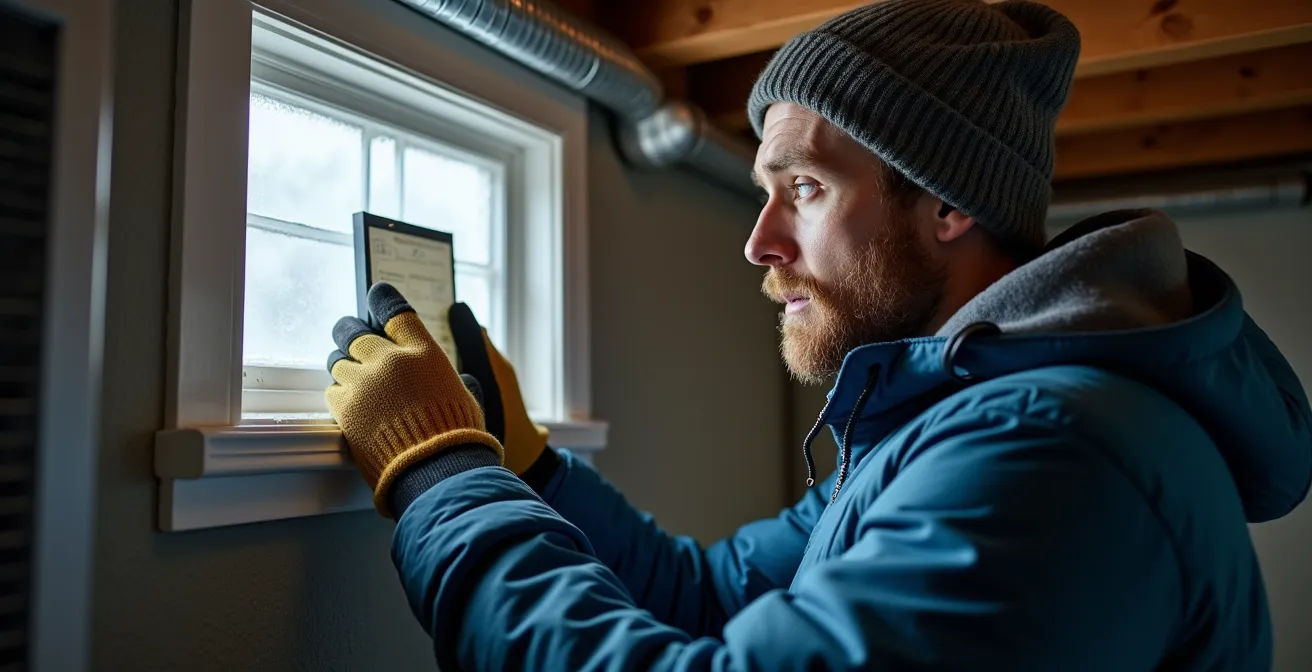
Preventing this failure requires a strict, proactive maintenance schedule. It is not a “set it and forget it” appliance. The filters must be cleaned regularly to ensure proper airflow, which is critical for the defrost cycle to function correctly. Before the first deep freeze, a thorough core cleaning and a check of the exterior vents for blockages are non-negotiable. This maintenance is your first line of defense against a system failure that would compound the disaster of a furnace outage.
Following a clear, seasonal checklist ensures your HRV operates reliably throughout the harshest Canadian winter, protecting both your air quality and the integrity of your home’s structure.
Your Essential Canadian Winter HRV Maintenance Checklist
- Monthly Filter Check: Clean or replace the air filters. Washable filters should be vacuumed first, then washed gently with soap and water and allowed to dry completely.
- October Pre-Winter Service: Before winter sets in, perform a deep cleaning of the HRV core with soap and water to remove dust and improve efficiency.
- Pre-Freeze Vent Inspection: Before temperatures plummet, inspect the exterior intake and exhaust hoods. Clear away any frost, snow, leaves, or other debris that could block airflow.
- Condensate Drain Test: In winter, monitor the condensate drain line to ensure it is not frozen. Test its flow by carefully pouring two litres of warm (not hot) water into the drain pan.
- Annual Professional Service: Once a year, schedule a full service with an HRAI-accredited technician to inspect motors, balance airflow, and ensure all components are functioning optimally.
Low-Temp Alarms: Essential Security for Snowbirds Leaving in Winter
For Canadian snowbirds, leaving your home unattended during the winter is an act of trust—trust in your furnace, your plumbing, and your insulation. But trust is not a strategy. A furnace failure in an empty home at -30°C is a guaranteed catastrophe, leading to burst pipes and thousands in water damage. A low-temperature alarm is not a luxury; it is an essential piece of security infrastructure, and its absence can have severe insurance implications.
These devices monitor the indoor temperature and send an alert to your phone or a monitoring service if it drops below a pre-set threshold (e.g., 10°C), giving you or a designated caretaker time to intervene before pipes freeze. The type of alarm you choose depends on your needs and budget, but reliability is paramount. Wi-Fi-based alarms are affordable but useless if the power or internet goes out. Cellular-based alarms are more robust, operating independently of your home’s internet connection.
The choice of alarm system is a critical decision for any homeowner leaving their property vacant during a Canadian winter. This comparison outlines the primary options:
| Alarm Type | Reliability | Cost Range | Best For |
|---|---|---|---|
| Wi-Fi Based | Moderate (fails if power/internet out) | $100-300 | Short trips with backup caretaker |
| Cellular Based | High (works without internet) | $200-500 | Extended snowbird trips |
| Professionally Monitored | Highest (24/7 monitoring) | $30-50/month | Multi-month absences |
Insurance providers are acutely aware of this risk. A standard policy may not be enough. As industry experts note, the conditions for coverage are stringent:
Many Canadian insurance policies for seasonal or unoccupied homes are void if a heating failure occurs unless the homeowner has a low-temp alarm AND a designated person checking the property regularly
– Canadian Insurance Industry Standards, Acera Insurance Snowbird Guidelines
Before you leave, you must inform your insurer in writing of your dates and arrange for a keyholder to physically inspect the property every 48-72 hours. Setting the thermostat to a safe 12-15°C and installing a monitored alarm is the minimum standard of care required to protect your investment.
Key takeaways
- Prioritize System Integrity: In a furnace failure, your goal shifts from personal comfort to preventing a cascade of home system failures, primarily frozen pipes and water damage.
- Humidity is a Critical Threat: Ice on windows is a sign of excessive indoor humidity, which can cause structural damage. Use your HRV to manage moisture levels according to outdoor temperatures.
- Proactive Security is Non-Negotiable: Preventive measures like regular HRV maintenance and installing a low-temperature alarm (especially for snowbirds) are essential requirements for both home safety and insurance validity.
How to Eliminate the Drafts That Make Your Living Room Unusable?
Even with a working furnace, drafts can render entire sections of your home uninhabitable in a Canadian winter. These silent thieves of warmth are gaps in your home’s building envelope, allowing frigid air to infiltrate and heated air to escape. In a furnace-out emergency, these drafts accelerate heat loss catastrophically, drastically reducing your survival window. Sealing them is the single most effective long-term strategy to fortify your home against the cold.
Eliminating drafts is a layered process that can be tackled in stages, from simple DIY fixes to professional interventions. Start with the easiest and most impactful tasks. Electrical outlets and switch plates on exterior walls are major sources of air leakage; installing cheap foam gaskets behind them is a five-minute job with a significant payoff. Applying weatherstripping to doors and caulking around window frames are other immediate actions. The rim joist—the wooden perimeter in your basement ceiling—is another common culprit that can be sealed with acoustical sealant. As Natural Resources Canada reports that proper air sealing can achieve a 20-30% reduction in energy bills, the return on investment is substantial.
For a comprehensive solution, a professional blower door test, conducted by an NRCan-certified energy advisor, can pinpoint every leak in your home. This provides a scientific roadmap for sealing your home’s envelope, and may qualify you for programs like the Canada Greener Homes Grant for major upgrades.
- Level 1 – Cheap & Easy: Install foam gaskets on electrical outlets, caulk window frames, and apply weatherstripping to doors. These are immediate, low-cost actions with high impact.
- Level 2 – Moderate DIY: Seal the gaps around your rim joists in the basement using acoustical sealant and insulate electrical boxes located on exterior walls.
- Level 3 – Professional Assessment: Schedule a professional blower door test with an NRCan certified energy advisor to get a complete diagnostic of all air leaks in your home.
- Level 4 – Major Upgrade: Based on the energy audit, apply for funding like the Canada Greener Homes Grant to perform comprehensive air sealing and insulation upgrades.
By moving from emergency reaction to proactive defense—sealing leaks, maintaining systems, and installing alarms—you transform your home from a potential victim of the cold into a resilient fortress. The next logical step is to identify the weakest points in your own home’s defenses and take action before the next deep freeze arrives.