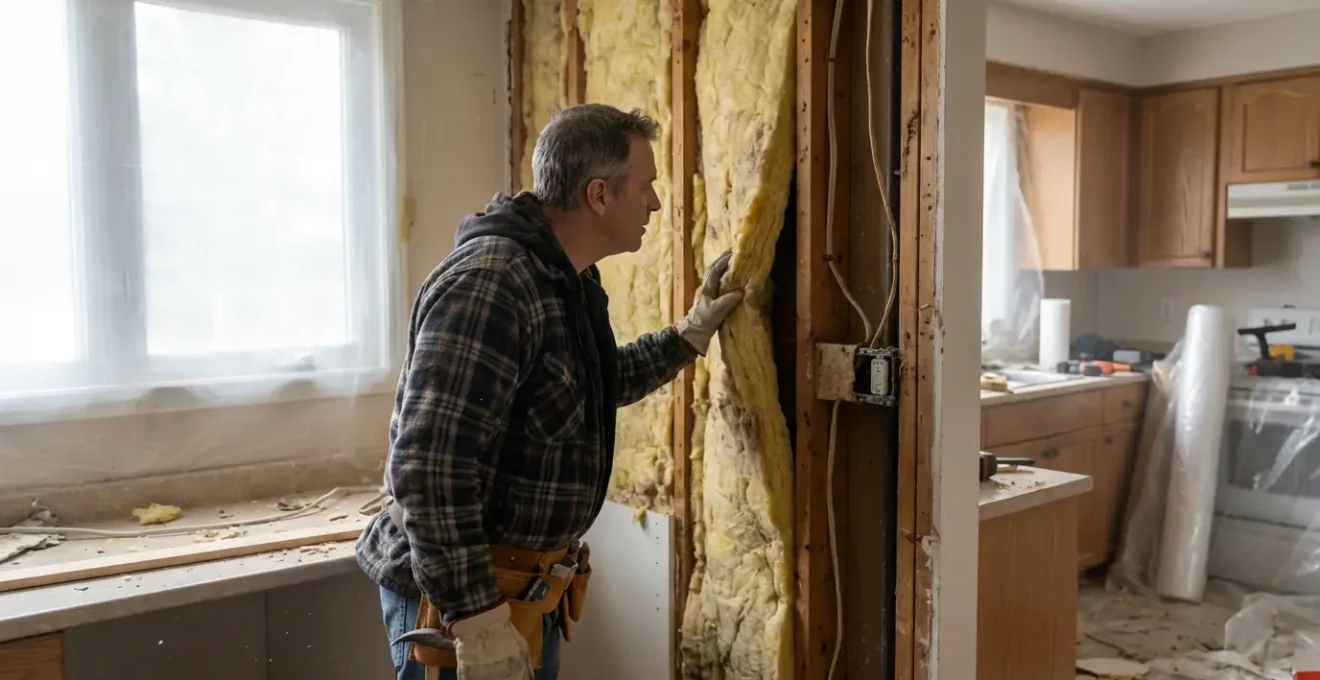
The contractor is standing in your half-demolished kitchen, waiting for an answer. Adding insulation to those exposed walls? It’s another $2,400 on top of an already stretched budget. Your spouse thinks it’s unnecessary. The house has been fine for 40 years. You say no.
Three winters later, you’re on the phone with a different contractor. Same walls. Same insulation conversation. But now the quote is $7,800—and that doesn’t include replacing the drywall you just paid for.
The 30-Second Version for Homeowners Mid-Renovation
- Walls already open = cheapest time to insulate
- Retrofit after closing costs 3-5x more
- Hidden costs: energy bills, comfort, resale, health
- Grants up to $5,000 available to offset costs
Why That $2,000 Savings Now Becomes a $8,000 Problem Later
Here’s what I tell every homeowner who asks about skipping insulation during a renovation: the walls are already open. That’s the magic window. Once drywall goes back up, that window slams shut—and reopening it costs real money.
In my experience working on renovations across Southwestern Ontario, I’ve watched homeowners decline a $1,200 insulation upgrade during a kitchen renovation, only to face a $5,000 bill three years later when they couldn’t figure out why that room was always freezing. This observation is limited to homes in our region, and costs can vary based on home age and wall construction.
The Point of No Return: Once drywall goes up, your window closes. The same insulation job that costs $1,500 during renovation can run $5,000+ as a retrofit—and that’s before repainting and finishing work.
The math is brutal. Retrofitting insulation after walls are closed means cutting into finished surfaces, working around electrical and plumbing, patching everything back together, and repainting. According to HomeStars‘ 2025 cost analysis, average insulation projects across Canada range from approximately $2,250 to $4,192—and that’s when access is straightforward. Hidden wall work? Triple it.
The opportunity cost isn’t just financial. It’s the disruption of living through a second renovation for something you could have handled the first time around.
The Four Hidden Costs Nobody Mentions Until It’s Too Late
When homeowners skip insulation during renovations, they’re not just saving money. They’re buying future problems. What I’ve seen happen time and again falls into four categories—and only one of them shows up on your energy bill.
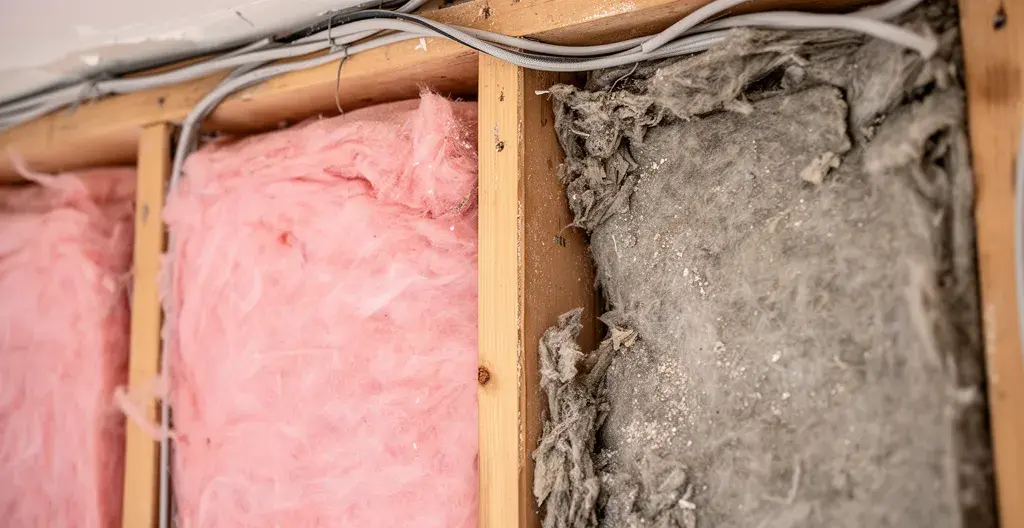
According to NRCan‘s PEER project findings, walls often account for 25 to 35 percent of the heat loss of a typical existing home. That’s not a minor leak. That’s a significant portion of your heating budget escaping through surfaces you just chose not to upgrade.
The Four Hidden Costs
-
Energy bills: Heating costs climb every winter while your neighbours with proper insulation stay comfortable
-
Comfort issues: Cold floors, drafty rooms, temperature swings room-to-room—the problems money can’t easily fix after the fact
-
Moisture and health: Temperature differentials cause condensation, which leads to mold behind finished walls
-
Resale impact: Buyers increasingly expect EnerGuide ratings, and poor scores raise red flags
Dave and Sarah’s $3,800 Lesson
I worked with Dave and Sarah on their basement renovation in Kitchener—a 1970s side-split they’d owned for eight years. Budget was tight, and they decided to skip exterior wall insulation to stay on track financially.
Their first winter post-renovation? Condensation on the new walls. Frost forming at the baseboards. Heating bills up 40% compared to the previous year. By spring, they called me back. We had to tear out the drywall I’d helped them install, properly insulate, add vapour barrier, and refinish everything. Added cost: $3,800.
The original insulation upgrade would have been around $1,100.
The timeline I’ve observed across projects follows a pattern. Year one: minor drafts noticed. Year two: energy bills creep up, cold spots become obvious. Year three to five: mold discovery or major comfort complaints trigger investigation. Beyond that? Retrofit required at several times the original cost.
The Real Numbers: What Insulation During Renovation Actually Costs in Ontario
Let me be direct about costs, because vague estimates don’t help you make decisions. The numbers below come from what I’ve seen on recent projects in Southwestern Ontario, backed by industry data.
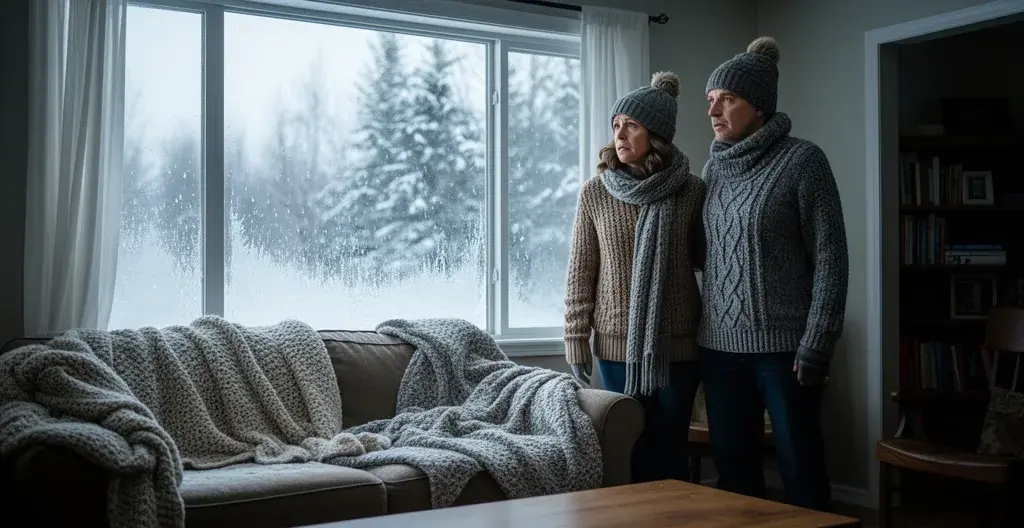
According to NRCan’s building envelope guide, walls can account for about 20 percent of heat loss in houses—and that’s a conservative estimate. Frame walls have cavities that are accessible during renovations but become extremely expensive to reach afterward.
| Factor | During Renovation | Retrofit Later |
|---|---|---|
| Cost (typical room) | $800–$1,500 | $3,500–$6,000+ |
| Disruption | None (walls already open) | Major (demolition required) |
| Quality result | Full cavity access, proper vapour barrier | Limited access, potential gaps |
| Grant eligibility | Yes (current programs) | Yes (if programs still running) |
Here’s the part that changes the math entirely. According to Natural Resources Canada, the Greener Homes Grant offered up to $5,000 for eligible retrofits, plus $600 for evaluations. While that federal program closed to new applications at the end of 2025, provincial programs continue. Ontario’s Home Renovation Savings Program currently offers insulation rebates that can significantly offset upfront costs.
Grant Tip: Most programs require a certified energy audit before and after the work. If you’re mid-renovation, get the pre-retrofit evaluation done before closing any walls. You may also want to explore how to get the maximum grant for your insulation project through current programs.
My honest take? If your walls are already open, insulation is the single best investment you can add to any renovation project. The cost-to-benefit ratio is unbeatable because you’re not paying for demolition or refinishing—just the actual insulation work.
Important Information
This content is provided for informational purposes and does not constitute personalized financial or construction advice. Consult a qualified contractor or energy advisor for recommendations specific to your home.
How to Know If Your Renovation Is an Insulation Opportunity
Not every renovation opens the insulation window. A bathroom vanity swap? Probably not. But many common projects create exactly the access you need—and missing that window means waiting years for another chance.
The mistake I watch homeowners make most often is assuming insulation only matters for exterior walls. But any project that opens wall cavities, removes drywall sections, or involves structural changes creates an opportunity. If you’re already working with a contractor on your home renovation, ask specifically about insulation access before walls close up.
Is Your Renovation an Insulation Opportunity?
-
Exterior walls being opened or reframed
-
Kitchen or bathroom renovation with wall removal
-
Addition being built onto existing structure
-
Home built before 1980 with unknown insulation status
-
Ongoing comfort complaints in the renovation zone
If you checked even one box, you’re sitting on an opportunity. The question isn’t whether insulation helps—the question is whether you want to pay renovation prices or retrofit prices for the same result.
What I Tell Every Client: Before drywall goes up, walk the site with your contractor and point at every open wall cavity. Ask: “What’s in there now, and what should be in there?” That ten-minute conversation has saved homeowners thousands. If you’re planning more extensive work, understanding how to approach renovation to near net-zero standards can help you prioritize upgrades that matter.
The Next Step Before Your Walls Close
The decision sitting in front of you isn’t really about insulation. It’s about whether you want to solve this problem once—now, while it’s cheap—or twice, later, when it costs three to five times as much.
If your walls are currently open, you have days or weeks to act. Not months. Get a quote for insulation from your contractor or a specialist. Compare it to the retrofit cost. Factor in available grants. Then make the call with real numbers, not guesses.
What happens if you don’t? Probably nothing dramatic—at first. But every winter, you’ll wonder. And eventually, you’ll be back on the phone, scheduling the work you could have done the first time.
What This Guide Covers and What It Doesn’t
-
Costs and savings mentioned are estimates based on typical Southwestern Ontario homes and may vary significantly
-
Every home has unique characteristics requiring professional assessment
-
Building code requirements vary by municipality and change over time—confirm with your local permit office