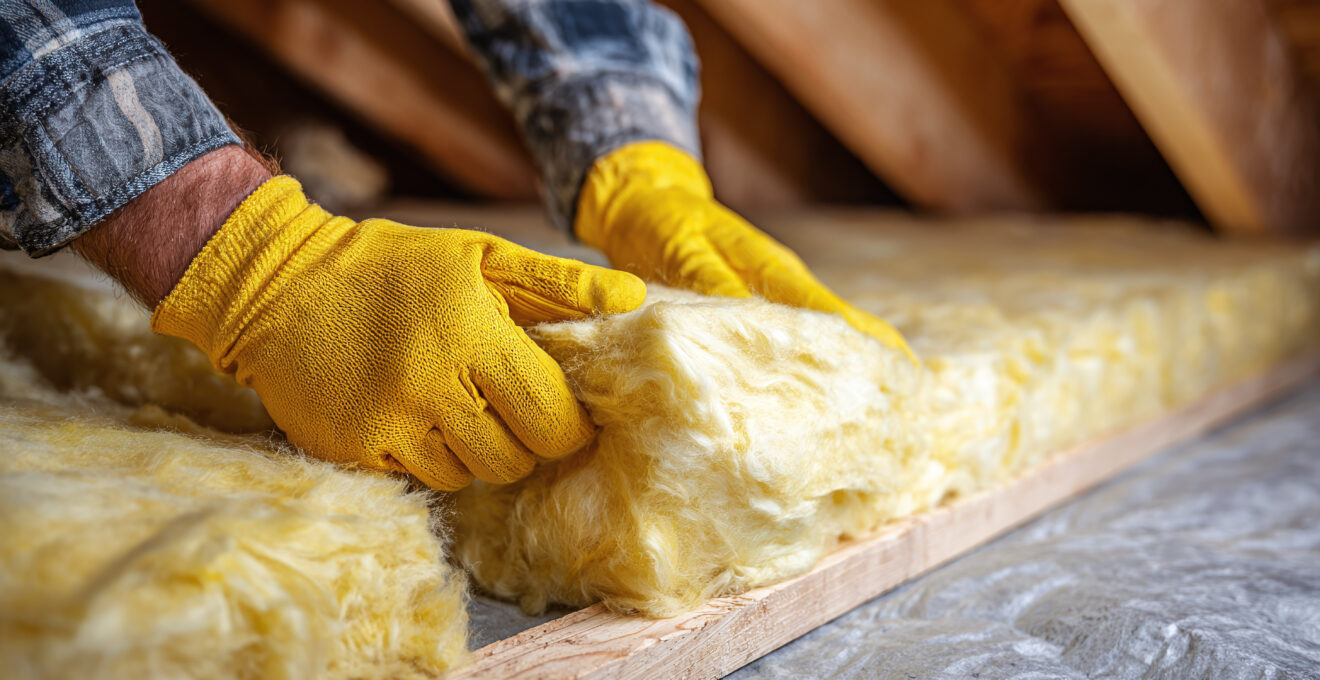
Why Ottawa Homes Lose So Much Energy
Up to 60%
of heat escapes through attic and basement in pre-1990 Ottawa homes
Ottawa sits in climate zone 6, one of Canada’s coldest regions requiring substantial heating for roughly seven months annually. Homes built between the 1960s and 1990s—which make up a significant portion of the city’s housing stock—were constructed to insulation standards far below what current building science demands. The gap matters.
According to NRCan data on basement heat loss, basements alone can account for about 25 percent of a home’s total heat loss due to large, uninsulated surface areas both above and below grade level. Many homeowners assume earth provides natural insulation. It doesn’t.
Understanding where your home loses heat most helps prioritize upgrades that deliver real returns. Professional renovation services typically assess these areas in order of impact:
- Attic and roof: Up to 25% of heat rises and escapes through inadequate attic insulation
- Basement walls and floors: Another 20-25% lost through uninsulated concrete
- Exterior walls: 15-20% through thermal bridging and gaps
- Windows and doors: 10-15% through air leakage and poor glazing
With Hydro Ottawa residential rates scheduled for adjustment in November 2026, addressing these heat loss points now protects against rising utility costs. The math is straightforward: reduce heat loss, reduce bills.
Insulation Upgrades That Deliver Real Results
The most common mistake I encounter on job sites? Homeowners replacing windows before addressing attic insulation deficiencies. It happens constantly. And it wastes money.
In my renovation practice across Ottawa (approximately 80 projects annually from 2020-2025, primarily 1960s-1990s single-family homes), I consistently see homeowners prioritizing window replacements before addressing attic insulation gaps. On these projects, actual energy savings typically fall 30-40% below projections. This observation is based on my Ottawa-area experience and may not reflect all situations. Results can vary depending on home age and existing insulation condition.
Windows account for only 10-15% of heat loss. Attics account for up to 25%. The sequence matters.
According to Ontario Building Code R-60 requirement standards, new construction requires a minimum attic insulation value of R-60. Most older Ottawa homes have R-20 or less. Upgrading to R-50 or R-60 creates a substantial thermal barrier that keeps heat where it belongs.
Basement wall insulation remains the overlooked priority for Ottawa homes. Adding R-24 rigid foam or spray foam to basement walls addresses that 25% heat loss through concrete—often at lower cost than window replacement. Air sealing works hand-in-hand with insulation. Without proper sealing, warm air bypasses insulation entirely.
For homeowners interested in taking energy efficiency to maximum levels, resources on renovation to net zero standards outline what comprehensive transformation involves.
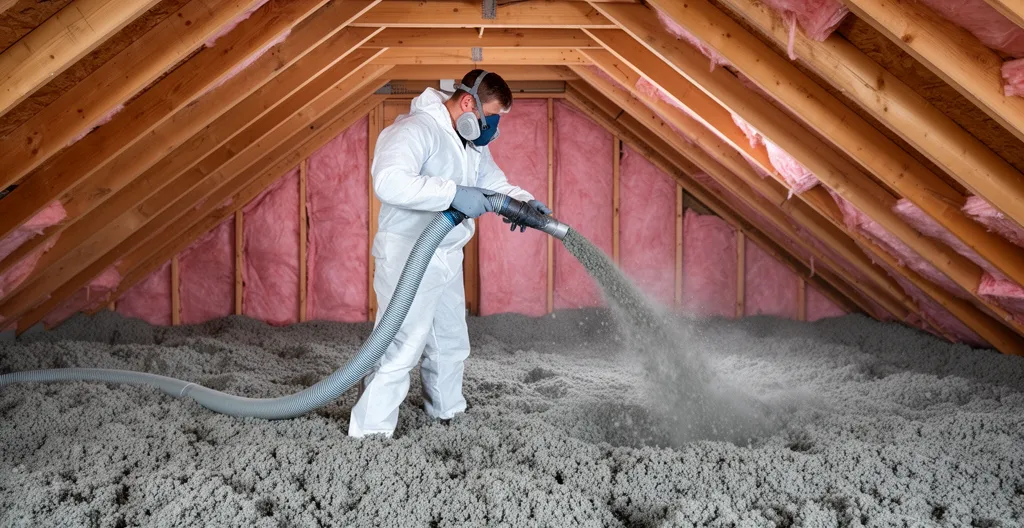
Based on 50+ comprehensive energy renovations completed in Ottawa between 2023-2025, here’s what realistic timelines look like:
- Initial home energy assessment and consultation
- Detailed proposal with prioritized upgrades and rebate applications
- Pre-renovation blower door test and thermal imaging
- Insulation installation (attic, walls, basement)
- Air sealing, ventilation upgrades, final inspection
- Post-renovation energy audit, rebate documentation submitted
What Ottawa Homeowners Actually Experience After Renovation
- Heating cost reductions of 25-50% depending on starting condition
- Elimination of cold spots and drafts throughout home
- Reduced furnace cycling and wear
- Increased property value for future sale
- Rebates offsetting 10-20% of project costs
- Upfront investment of $15,000-50,000 depending on scope
- 10-12 weeks of project activity
- Temporary disruption during insulation phases
- Ventilation upgrades often required alongside insulation
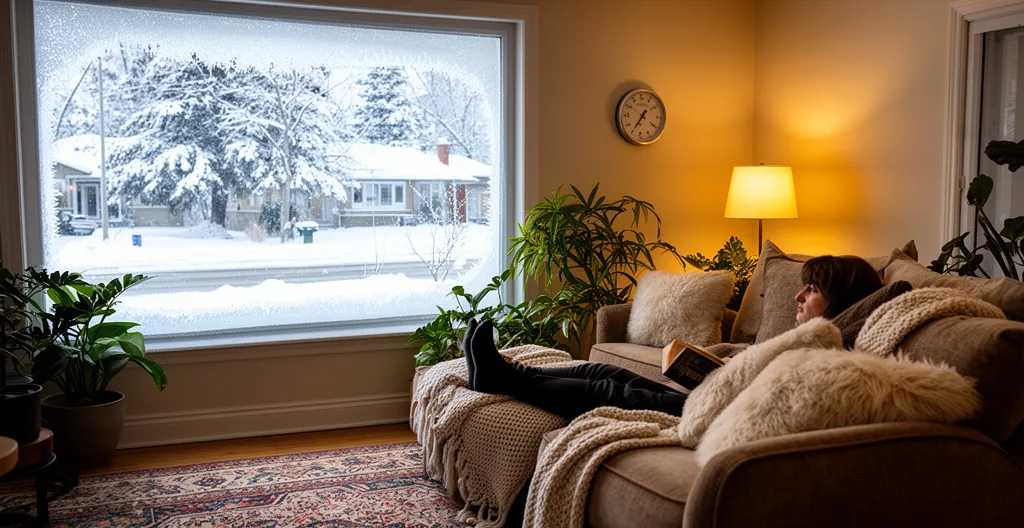
Case study: Nepean bungalow transformation
A couple in their 50s with a 1975 bungalow in Nepean completed comprehensive energy-efficient renovation in September 2023. Investment: $45,000. The home was losing significant heat through uninsulated basement walls and attic gaps. Their initial quote focused only on furnace upgrade—which would have addressed symptoms, not causes. After comprehensive insulation upgrade (attic R-60, basement walls R-24), annual heating costs dropped from $3,800 to $1,900. Their furnace now runs 40% less frequently. The comfort difference? No more cold basement. No more drafts near windows.
Financial incentives help offset initial investment. According to the IESO Home Renovation Savings Program 2025, which launched January 28, 2025, significant rebates are available for residential consumers who heat their home with electricity or natural gas. The program is co-delivered through Save on Energy and Enbridge Gas.
Choosing the right contractor determines whether your project delivers projected savings or disappoints. Before signing any contract, consult this comprehensive vetting guide for renovation contractors to verify credentials and avoid costly mistakes.
- Schedule a home energy assessment with a certified energy advisor before requesting contractor quotes
- Gather utility bills from the past 24 months to establish baseline heating costs
- Photograph visible insulation in attic, basement, and any accessible wall cavities
- List specific comfort complaints: which rooms feel cold, where drafts occur, when problems worsen
- Research available rebates and confirm eligibility before starting work
The difference between an energy-efficient home and one that drains your wallet every winter comes down to the building envelope. Fix the envelope first. Everything else follows.