Comfort and quality of life
When we think about home comfort, most of us picture a cozy temperature setting on the thermostat. But true comfort and quality of life in your home involve so much more than just the number displayed on your heating system. From the moisture levels in your basement to the sounds you hear (or don’t hear) from neighboring units, from the freshness of the air you breathe to the consistency of temperature across different rooms, every element works together to create an environment where you can truly thrive.
For Canadian homeowners facing extreme temperature swings, frigid winters, and diverse housing stock ranging from heritage homes to modern condominiums, understanding these interconnected systems becomes especially critical. This comprehensive exploration examines the fundamental pillars that transform a house into a genuinely comfortable, healthy living space—one where insulation, air management, and building science work in harmony to support your wellbeing every single day.
Why Thermal Comfort Goes Beyond Temperature
Most Canadians set their thermostat to 21°C and assume comfort is achieved. Yet you might still feel chilly sitting by a poorly insulated exterior wall, even when the air temperature reads perfectly comfortable. This paradox reveals an essential truth about thermal comfort that building science has long understood.
Understanding Mean Radiant Temperature
Mean radiant temperature measures the average temperature of all surfaces surrounding you—walls, floors, ceilings, and windows. Your body doesn’t just sense air temperature; it constantly exchanges radiant heat with every surface around you. When you sit near a cold window on a January evening in Winnipeg or Toronto, your body radiates heat toward that cold surface, making you feel uncomfortable despite warm air from your furnace. Proper insulation keeps interior surface temperatures closer to room temperature, eliminating this invisible discomfort factor that no amount of cranking up the thermostat can fully resolve.
Eliminating Temperature Stratification
Have you ever noticed how the upstairs bedrooms feel like a sauna while the main floor remains comfortable? This phenomenon, called thermal stratification, occurs when warm air rises and becomes trapped in upper levels. In Canadian homes with cathedral ceilings or multi-story layouts, the temperature difference between floors can reach 5-8°C. Addressing this requires a holistic approach:
- Proper attic insulation to prevent excessive heat accumulation
- Air sealing to stop convection loops that exacerbate the problem
- Strategic ventilation or ductwork balancing to distribute conditioned air evenly
- Consideration of zoning systems for multi-level homes
Seasonal Temperature Challenges
Canadian winters test every home’s thermal envelope. When outdoor temperatures plummet to -30°C in Edmonton or -25°C in Montreal, inadequate insulation doesn’t just waste energy—it creates genuine comfort problems. Cold spots develop near exterior walls, condensation forms on windows, and occupants experience discomfort that no furnace setting can overcome. Conversely, summer overheating in poorly ventilated attics can make upper floors unbearable, forcing over-reliance on air conditioning and creating uncomfortable temperature swings throughout the day.
Moisture Management: The Foundation of Healthy Living
Moisture might be the single most critical yet misunderstood factor affecting home comfort and health. Canadian homes face unique moisture challenges due to extreme temperature differentials between indoor and outdoor environments, particularly during winter months when warm, humid indoor air meets frigid exterior surfaces.
The Humidity Balance
Health Canada recommends maintaining indoor relative humidity between 30% and 50% for optimal comfort and health. Too low, and you experience dry skin, irritated respiratory passages, and increased susceptibility to airborne viruses. Too high, and you create conditions for mold growth, dust mites, and structural damage. In winter, many Canadian homes struggle with excessively dry air from heating systems, while basements often harbor pockets of excess humidity year-round. Finding this balance requires understanding how your building envelope manages moisture vapor and implementing appropriate ventilation strategies.
Preventing Water Vapor Damage
When warm, moisture-laden indoor air meets cold surfaces within your wall or roof assembly, condensation occurs. Over time, this hidden moisture causes:
- Wood rot and structural decay in framing members
- Mold growth that compromises indoor air quality
- Reduced insulation effectiveness as materials become saturated
- Paint failure and visible staining on interior surfaces
Proper vapor control strategies—including correctly positioned vapor barriers, continuous air sealing, and adequate insulation thickness—prevent these issues before they start. In Canadian climates, the stakes are particularly high: a small gap in your air barrier during a cold snap can allow significant moisture accumulation within hours.
Basement and Foundation Moisture
Basements present unique moisture challenges, acting as the interface between conditioned living space and the earth. Groundwater, capillary action through concrete, and condensation on cold foundation walls all contribute to moisture problems. For homes in flood-prone areas—whether near major waterways like the Fraser River in British Columbia or in regions with high water tables—choosing appropriate moisture-resistant insulation materials and implementing proper drainage becomes non-negotiable for maintaining healthy indoor conditions.
Sound Insulation for Peace and Privacy
Noise pollution affects more than annoyance—it impacts sleep quality, stress levels, cardiovascular health, and overall wellbeing. For Canadians living in densely populated urban areas like Vancouver, Toronto, or Montreal, or near busy transportation corridors, acoustic comfort represents a crucial but often overlooked dimension of home quality.
Understanding Sound Transmission
Sound Transmission Class (STC) ratings provide a standardized measure of how well building assemblies block airborne sound. A standard interior wall might achieve STC 33, allowing normal conversation to be clearly understood through the wall. An STC 50 assembly reduces sound to a faint murmur, while STC 60+ creates near-complete acoustic isolation. For bedroom walls, exterior walls facing busy streets, or walls separating units in multi-family buildings, targeting higher STC ratings dramatically improves living quality.
Practical Soundproofing Approaches
Standard insulation batts contribute meaningfully to soundproofing when installed properly, filling cavities to prevent sound waves from traveling through air spaces. However, comprehensive acoustic performance requires addressing multiple pathways:
- Install sound-absorbing insulation in all wall and ceiling cavities
- Seal air gaps meticulously—sound follows the same paths as air leaks
- Add mass through multiple layers of drywall or specialized acoustic panels
- Decouple surfaces using resilient channels or staggered stud walls
- Isolate mechanical equipment and plumbing to prevent structure-borne noise
In condominiums or multi-family residences, addressing mechanical noise—from HVAC systems, plumbing, or shared equipment—requires special attention to vibration isolation and path interruption.
Air Quality and Ventilation in Modern Tight Homes
The tighter and better-insulated your home becomes, the more critical intentional ventilation becomes. Older, drafty Canadian homes achieved adequate air exchange through uncontrolled leakage—along with massive energy waste. Today’s high-performance homes require deliberate strategies to balance air tightness with fresh air delivery.
The Tightness Paradox
A well-sealed building envelope eliminates energy waste and improves comfort by stopping drafts and preventing moisture infiltration. However, that same air tightness can trap indoor pollutants: volatile organic compounds from furnishings and cleaning products, combustion byproducts, excess humidity from cooking and bathing, carbon dioxide from occupants, and allergens. The solution isn’t looser construction—it’s controlled mechanical ventilation that provides fresh air exactly when and where needed, without the energy penalty of random air leakage.
Efficient Ventilation Systems
Heat Recovery Ventilators (HRVs) and Energy Recovery Ventilators (ERVs) have become increasingly common in Canadian construction, particularly in provinces with energy efficiency programs. These systems exhaust stale indoor air while simultaneously bringing in fresh outdoor air, transferring heat (and in the case of ERVs, moisture) between the two streams. During a Saskatoon winter, an HRV might recover 85% of the heat from outgoing air, preheating incoming fresh air from -30°C to 15°C before it enters your living space—maintaining air quality without the comfort or energy penalty of simply opening a window.
Balancing Act
Finding the right ventilation rate requires considering home size, occupancy, and activities. Too little ventilation allows pollutant buildup; too much wastes energy and can over-dry winter air. Building codes specify minimum ventilation rates, but optimal comfort often requires adjusting based on actual conditions and occupant sensitivity.
Smart Home Technology for Effortless Comfort
Modern homes increasingly integrate sensors, automation, and intelligent controls that optimize comfort while minimizing energy consumption and manual intervention. These systems transform comfort management from a constant manual adjustment process into a self-regulating ecosystem.
Sensor Integration and Monitoring
Strategic placement of temperature, humidity, and air quality sensors throughout your home provides real-time data about actual conditions in different zones. Unlike a single thermostat that measures conditions in one location, distributed sensors reveal the full picture: cold spots near exterior walls, humidity accumulation in bathrooms, temperature stratification between floors, or air quality degradation during cooking. This data enables both immediate manual interventions and long-term pattern recognition that informs system optimization.
Automated Comfort Management
Smart thermostats learn your schedule and preferences, automatically adjusting temperatures for optimal comfort when you’re home and energy savings when you’re away. Advanced systems integrate multiple data streams:
- Weather forecasts to pre-adjust heating or cooling before temperature swings
- Occupancy detection to avoid heating or cooling empty spaces
- Time-of-use electricity rates to shift energy consumption to off-peak hours
- Indoor air quality sensors triggering ventilation boosts when needed
Voice control interfaces make adjustments effortless, while smartphone apps enable remote monitoring and control—helpful when you’re away and want to verify that systems are maintaining safe conditions, particularly freeze protection during Canadian winter vacations.
Zoning for Diverse Needs
Not all spaces require identical conditions. A home office might need active cooling during summer workdays while bedrooms remain closed. A basement workshop might tolerate cooler temperatures than main living areas. Zoning systems deliver customized comfort to different areas, improving both comfort and efficiency by avoiding the one-size-fits-all limitation of single-zone systems.
Diagnosing and Resolving Comfort Problems
Even well-designed homes occasionally develop comfort issues. Understanding how to systematically identify and address these problems empowers homeowners to maintain optimal conditions rather than simply enduring discomfort or wasting energy on ineffective solutions.
Prioritizing Human Wellbeing
Building science provides valuable metrics—R-values, ACH rates, STC ratings—but these numbers serve human comfort, not the reverse. A home achieving impressive technical specifications yet leaving occupants uncomfortable has failed its fundamental purpose. Effective diagnosis starts with occupant experience: Where do you feel uncomfortable? When does the problem occur? What have you already tried? This human-centered approach ensures solutions address real-world comfort rather than chasing arbitrary numerical targets.
Systematic Troubleshooting
Common Canadian comfort complaints often trace to specific, correctable causes:
- Cold floors: Insufficient insulation under slab floors or cantilevered sections; air leakage at rim joists
- Drafts: Air sealing deficiencies around windows, doors, electrical penetrations, or attic hatches
- Uneven temperatures: Ductwork balancing issues; inadequate insulation in specific areas; thermal bridging
- Winter condensation: Excessive indoor humidity; thermal bypass allowing warm air to reach cold surfaces; inadequate ventilation
- Summer overheating: Insufficient attic insulation or ventilation; solar gain through windows; inadequate air conditioning capacity
Professional energy audits, including blower door testing and thermal imaging, reveal hidden problems invisible to casual inspection. Many Canadian utilities offer subsidized or free energy assessments, making professional diagnosis accessible to most homeowners.
Minimizing Disruption During Improvements
Upgrading insulation, air sealing, or mechanical systems understandably concerns homeowners who need to maintain daily routines. Many comfort improvements can be staged to minimize disruption: attic insulation typically requires no interior access, basement rim joist sealing can be completed room by room, and smart thermostat installation takes hours rather than days. Working with experienced contractors who understand sequencing and protection of living spaces makes comprehensive improvements feasible even for occupied homes.
Creating genuinely comfortable, healthy Canadian homes requires understanding how thermal performance, moisture management, acoustic control, air quality, and intelligent systems work together as an integrated whole. Each element reinforces the others: proper insulation enables effective humidity control, air tightness makes ventilation systems work efficiently, and good building envelope performance reduces the load on mechanical systems. By viewing your home as a complete ecosystem rather than isolated components, you can make informed decisions that deliver lasting comfort, protect your health, and enhance your daily quality of life in every season.
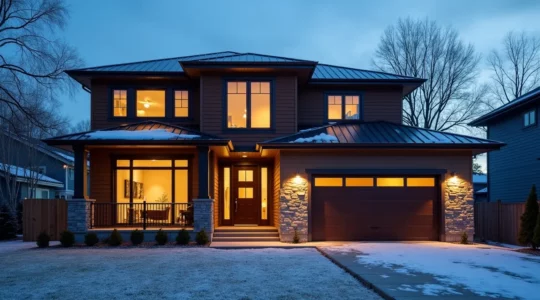
Why Window Sensors are the First Step to a Secure and Efficient Home?
A truly secure Canadian home isn’t just protected from burglars; it’s resilient against the far more common threats of water, fire, and extreme cold that attack the building envelope itself. Environmental sensors stop cascading failures, where a small issue like…
Read more
Do Smart Thermostats Actually Save Money or Is It Just Hype?
Smart thermostats don’t automatically save you money; they are powerful diagnostic tools that reveal where your home is wasting energy, and the real savings only come when you act on that data. Features like geofencing and remote sensors offer real…
Read more
Hydronic vs. Electric Radiant: Designing the Right System for Your Whole Canadian Home
For a whole-house radiant system in Canada, hydronic isn’t just the better option—it’s the only one that integrates with high-efficiency sources like geothermal for true long-term value. System success depends on a “thermal budget,” balancing floor R-values with robust under-slab…
Read more
Why You Have a Headache in the Morning: The Case for Heat Recovery Ventilators
Your morning headache is likely not a sign of poor sleep, but a direct physiological response to your home’s respiratory failure. Modern airtight homes trap pollutants like CO2, which can build up overnight and cause headaches, fatigue, and grogginess. Improper…
Read more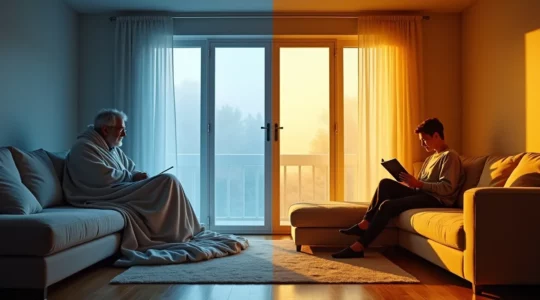
Why 20°C Feels Colder in an Uninsulated House Than a Well-Sealed One?
The number on your thermostat is lying to you; true comfort is about how your body loses heat to its surroundings, not the temperature of the air. Your body radiates heat to cold walls, floors, and windows, making you feel…
Read more
How to Eliminate the Drafts That Make Your Living Room Unusable?
The real reason your house is cold isn’t just drafty windows; it’s the invisible physics of heat loss turning your home into a comfort-draining chimney. Your house naturally pulls cold air in at the bottom (basement) and pushes warm air…
Read more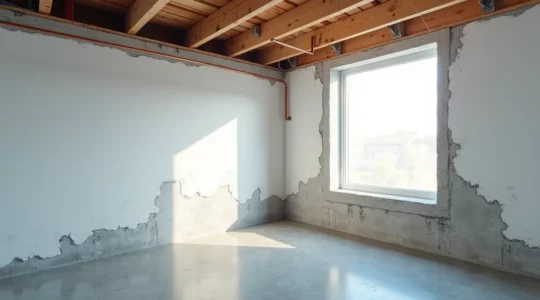
Why Do Basements Smell Musty Even After Installing New Drywall?
The musty smell in your new basement isn’t a failure of the drywall; it’s a symptom of a hidden “moisture sandwich” trapping dampness in the wall assembly behind it. Absorbent insulation, like fibreglass, placed directly against a cool concrete foundation…
Read more
How to Soundproof a Home Office Against Street Noise for Under $1,000?
Effective soundproofing on a budget has little to do with expensive foam panels and everything to do with understanding the physics of sound. Your primary enemies are airborne vibrations (traffic, voices) and structural vibrations (bass, footsteps). Success lies in a…
Read more