Blog
Canadian homeowners face unique challenges when it comes to maintaining comfortable, energy-efficient living spaces. With temperature swings that can exceed 60 degrees Celsius between summer peaks and winter lows in many regions, the performance of your home’s thermal envelope isn’t just about comfort—it’s about structural integrity, energy costs, and long-term property value. Whether you’re planning a renovation, building new construction, or simply looking to reduce your heating bills, understanding the fundamentals of insulation and building science can save you thousands of dollars while creating a healthier indoor environment.
This comprehensive resource brings together the essential knowledge you need to make informed decisions about your home’s thermal performance. From selecting appropriate materials for extreme cold to integrating smart monitoring systems, we’ll explore the key considerations that separate adequate insulation from exceptional performance in the Canadian climate.
Why Thermal Performance Matters in Canadian Climates
The Canadian climate demands more from building envelopes than moderate regions. In provinces like Alberta, Saskatchewan, and Manitoba, winter temperatures routinely drop below -30°C, while coastal regions face persistent moisture challenges. Your home’s ability to resist heat flow—measured as R-value—directly impacts three critical areas: energy consumption, structural durability, and occupant comfort.
Inadequate insulation creates what building scientists call “thermal bridging,” where heat escapes through structural elements faster than through insulated cavities. This phenomenon explains why many homeowners notice cold spots near windows, exterior walls, or attic hatches even when their insulation appears adequate on paper. In extreme cold environments, these weak points don’t just waste energy—they create condensation risks that can lead to mold growth and structural degradation over time.
Recent studies by Natural Resources Canada indicate that improving insulation in older homes can reduce heating costs by 25-40%, with payback periods often under a decade. Beyond economics, enhanced thermal performance improves acoustic privacy, reduces HVAC system strain, and creates more consistent temperatures throughout living spaces.
Selecting Materials for Extreme Conditions
Not all insulation materials perform equally in Canadian applications. Understanding the composition and benefits of available options helps you match products to specific challenges in your home.
Fibrous vs. Foam Insulation
Fibreglass and mineral wool represent traditional choices, offering good R-value per dollar and excellent fire resistance. These materials allow water vapor to pass through, which can be beneficial or problematic depending on your vapor barrier strategy. In attic applications where temperatures fluctuate dramatically, mineral wool’s ability to maintain R-value when exposed to temperature extremes makes it particularly valuable.
Rigid and Spray Foam Solutions
Closed-cell spray foam provides both insulation and air sealing in a single application, making it ideal for difficult spaces like rim joists or cathedral ceilings. With R-values approaching 6.5 per inch, it significantly outperforms fibrous options in tight spaces. However, its vapor impermeability requires careful integration with your home’s moisture management strategy—a consideration particularly important in humid coastal regions of British Columbia or Atlantic Canada.
Next-Generation Materials
Aerogel blankets, vacuum insulated panels, and advanced phase-change materials are emerging as solutions for spaces where traditional materials prove inadequate. While currently more expensive, these technologies can achieve R-20 or higher in wall cavities typically limited to R-12 with conventional approaches, making them valuable when renovating heritage homes with limited wall depth.
Planning and Timing Your Project
Strategic planning separates successful insulation projects from costly disappointments. Three key factors deserve attention before you begin: seasonal timing, building code compliance, and documentation.
Conducting a DIY energy audit provides baseline data that helps you prioritize improvements. Using a thermal imaging camera during cold weather reveals exactly where your home loses heat, allowing you to focus resources on the most problematic areas rather than upgrading uniformly. Many Canadian utilities offer subsidized or free energy assessments that include blower door testing to quantify air leakage—often the largest source of heat loss in older homes.
Timing your renovation around seasonal shifts maximizes both installer availability and material performance. Spray foam applications, for example, require specific temperature and humidity ranges for proper curing. Planning exterior work for late spring or early fall avoids both winter’s installation challenges and summer’s peak contractor demand. For interior projects, winter timing can actually prove advantageous, as you’ll immediately notice performance improvements during the heating season.
Understanding current building codes and anticipating future changes protects your investment. Canadian provinces have progressively tightened energy efficiency requirements, with some jurisdictions now requiring R-60 or higher in attic spaces. Exceeding minimum code requirements by 20-30% provides a buffer against future regulatory changes and positions your home favorably when efficiency standards inevitably rise.
Installation Techniques That Ensure Performance
Even premium materials underperform when poorly installed. Several critical details determine whether your insulation achieves its rated performance or falls short.
Preparing the Perimeter
Before introducing new insulation, address air sealing systematically. Gaps around electrical penetrations, plumbing stacks, and recessed lighting can compromise an entire installation. Homeowners often focus on adding insulation thickness while overlooking that air leakage can account for 30-40% of heat loss. Sealing these pathways with appropriate materials—acoustical sealant for small gaps, spray foam for larger voids—creates the foundation for effective insulation performance.
Sealing the Attic Hatch
This frequently overlooked detail exemplifies how small areas create disproportionate problems. An unsealed attic hatch acts as a chimney, drawing warm air into the attic space through stack effect. Adding weatherstripping, rigid foam insulation to the hatch itself, and ensuring proper latching can eliminate a common source of ice damming and heat loss that affects the entire attic system.
Protecting the Structure
Moisture management becomes critical when upgrading insulation. Increasing R-value without addressing vapor control can shift the dew point into structural cavities, creating condensation where none previously occurred. In heating-dominated climates like most of Canada, this typically means installing vapor barriers on the warm (interior) side of insulation, though specific strategies vary based on wall assembly and climate zone.
Measuring and Maintaining Energy Efficiency
Installing insulation marks the beginning, not the end, of performance optimization. Analyzing data reports from smart thermostats reveals patterns in your home’s energy consumption, helping identify remaining inefficiencies or seasonal issues that require attention.
Managing solar gain strategically improves year-round efficiency. South-facing windows that provide welcome warmth in January can overheat spaces in July. Understanding how your home’s orientation, window placement, and shading interact with insulation performance allows you to optimize both passive heating and cooling throughout the year.
Documenting your work serves multiple purposes beyond satisfying building inspectors. Detailed records of materials used, R-values achieved, and installer certifications become valuable when leveraging energy ratings for property value. Homebuyers increasingly request energy performance data, and homes with documented, high-performance envelopes command premium prices in competitive markets.
Building for Environmental Responsibility
The construction industry increasingly recognizes that operational energy represents only part of a building’s environmental impact. Reducing embodied carbon—the greenhouse gas emissions associated with manufacturing, transporting, and installing materials—has become a priority for environmentally conscious builders and renovators.
Different insulation materials carry vastly different carbon footprints. Mineral wool and cellulose generally have lower embodied carbon than foam products, though closed-cell spray foam’s superior performance per inch can offset its manufacturing impact in applications where space constraints limit other options. Aiming for carbon neutrality in construction requires weighing these trade-offs thoughtfully.
Spotting greenwashing protects you from misleading environmental claims. Terms like “eco-friendly” and “natural” lack regulatory definitions in the insulation industry. Instead, look for third-party certifications from organizations like UL or GreenGuard, and scrutinize specific environmental product declarations that quantify actual impacts rather than relying on marketing language.
Certifying your build through programs like ENERGY STAR, LEED, or Passive House provides independent verification of performance claims. While certification involves additional costs and documentation, it offers assurance that your investment delivers promised results and can significantly enhance resale value when marketing the home to efficiency-minded buyers.
Integrating Smart Technology for Ongoing Optimization
Modern homes benefit from creating a cohesive smart ecosystem that monitors and optimizes thermal performance continuously. Smart thermostats, humidity sensors, and energy monitors provide real-time feedback about your home’s operation, alerting you to issues before they become expensive problems.
Centralizing control through integrated platforms allows you to understand relationships between different systems. Noticing that your furnace runs longer after particularly windy days might indicate air leakage issues. Observing humidity spikes in specific rooms could reveal ventilation inadequacies. These insights enable targeted improvements rather than guesswork.
Backing up power for critical monitoring systems ensures you maintain data continuity even during outages. Understanding how your home performs during extreme weather events—when thermal performance matters most—requires systems that continue operating when grid power fails.
Protecting Your Long-Term Investment
Understanding the longevity of different materials helps you balance upfront costs against lifecycle value. Fiberglass insulation can maintain performance for 80-100 years when protected from moisture, while some foam products may degrade more quickly if exposed to UV light or certain temperatures. Predicting longevity requires understanding your specific installation conditions and exposure risks.
Identifying counterfeit products has become increasingly important as insulation markets grow. Substandard materials often appear identical to premium products but deliver inferior R-values or contain concerning chemicals. Purchasing from established suppliers, verifying manufacturer markings, and requesting product data sheets helps ensure you receive the materials you’re paying for.
Checking past performance through follow-up thermal imaging after your first heating season confirms your installation delivers expected results. This verification step catches installation defects while warranties remain fresh and provides baseline data for comparing future performance, helping you maintain optimal efficiency through decades of use.
Improving curb appeal and performance need not conflict. Designing for aesthetics while maintaining thermal integrity requires collaboration between architects, builders, and homeowners. Modern materials and techniques allow you to achieve the visual character you desire—whether contemporary, traditional, or heritage restoration—while meeting or exceeding current performance standards.

Why Smart Homes Sell for 10% More in Tech-Centric Cities?
The 10% premium on your property isn’t from having smart gadgets; it’s from deploying an intelligent, integrated ecosystem that commands a higher valuation. True market value lies in systems that autonomously manage energy, predict maintenance, and provide future-proof accessibility. Millennial…
Read more
What Does “Net-Zero Ready” Actually Mean for New Home Buyers?
“Net-Zero Ready” is more than a marketing label; it’s a homebuyer’s entry ticket to becoming the active energy manager of their own home. It signifies a home built with a high-performance envelope and systems, but reaching actual net-zero status depends…
Read more
Does an EnerGuide Rating of 80 Increase Your Home’s Resale Value?
An EnerGuide rating is a quantifiable financial asset that, when properly documented and marketed, can directly increase your home’s appraisal and sale price. The old “0-100” scale is obsolete; value is now measured in Gigajoules per year (GJ/year), where a…
Read more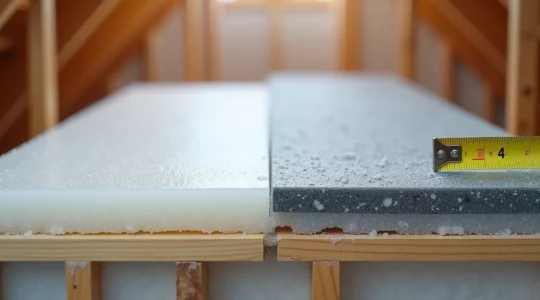
Aerogel vs. VIP Panels: Decoding the 1-Inch Insulation Revolution
High-performance insulation in tight spaces is no longer a compromise, but a choice between two molecularly-engineered technologies: Aerogel and Vacuum Insulated Panels (VIPs). Vacuum Insulated Panels (VIPs) offer the absolute highest R-value per inch but are rigid and demand flawless…
Read more
What to Do If Your Furnace Fails at -30°C?
In summary: Your priority is not comfort, but preventing a cascade of home system failures, starting with your plumbing. Immediately locate and protect vulnerable pipes using safe, approved heating methods; never use an open flame. Manage indoor humidity to prevent…
Read more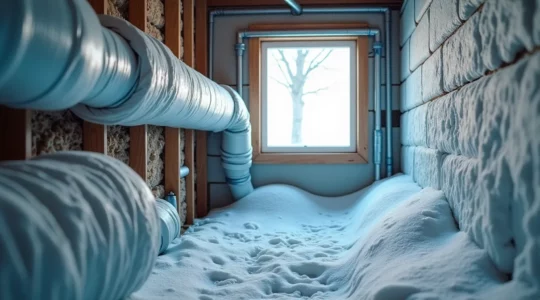
How to Keep Pipes from Freezing at -50°C in Northern Housing?
Surviving extreme cold isn’t about adding more insulation; it’s about eliminating the thermal bridge weak points that cause catastrophic failures at -50°C. Standard building methods fail because materials become brittle and thermal conductivity turns structural elements like steel studs into…
Read more